When you are underwriting a deal in Bruce County, time is never on your side. Borrowers push for quick closings, lawyers want certainty, and credit officers need a number they can defend at committee. The commercial market here is stable in some pockets and thin in others, seasonal in certain subtypes, and shaped by large employers that influence rents, vacancy, and investor sentiment. Getting to a credible value fast is possible, but only if the appraiser knows the ground, works a proven process, and communicates with the lending team in real time.
I have been valuing income properties, owner-occupied assets, and development land across Bruce County for years, from Kincardine, Tiverton, and Port Elgin up to Southampton, Sauble Beach, Wiarton, and Walkerton. That range matters. A retail condo on Goderich Street is not the same animal as a motel on the Lakeshore or an industrial building a short drive from Bruce Power. Lenders who succeed in this county choose a commercial appraiser who tunes the scope to the asset, sources local comparables, and understands the small but crucial differences that drive value here.
What makes Bruce County different for lenders
Bruce County is not a cookie-cutter market. Commercial velocity is moderate, listings can be scarce in the off-season, and sales often involve local buyers who know the tenant base and the quirks of older buildings. The presence of Bruce Power in Tiverton, one of the region’s largest employers, ripples through the market. Housing demand, contractor activity, and service businesses connected to the facility influence industrial and flex rents and can support stronger cash flows than you might expect in a county of this size. At the same time, smaller downtowns rely on tourism, weekend traffic, and a loyal local customer base. That means a lender cannot lift a cap rate from a mid-tier Ontario city and assume it fits a plaza in Port Elgin.
Waterfront proximity, shoreline hazard lines, septic and well systems, and conservation authority oversight add layers of due diligence. Properties along the Saugeen River or near Lake Huron can face floodplain constraints. Some older motels and restaurants carry environmental risk from historic fuel storage or dry cleaning uses. Rural commercial parcels may have limited road access or need Ministry of Transportation permits for new entrances. All of this affects marketability, holding costs, and exit value. An appraisal that glosses over these items will not hold up in a workout scenario.
What lenders need from a commercial property appraisal in Bruce County
Speed matters, but only if the opinion of value is well supported. Strong commercial appraisal services in Bruce County meet three tests.
First, the analysis must rest on local evidence. If there are only a handful of true comparables, the appraiser needs to widen the time window, adjust for market movement, and explain judgement calls in clear language. Pulling comps from urban areas without a careful rationale invites risk.
Second, the report should break out value types relevant to credit decisions. For some deals, you need an as is value for closing and an as if complete or as if stabilized value for a holdback release. Construction lending often benefits from phased opinions alongside progress inspections. The appraiser should flag the conditions attached to each value scenario, such as permit approvals, lease-up assumptions, and budget milestones.
Third, the risk commentary has to be practical. Lenders look beyond the value number to red flags and mitigants. Is the roof near end of life, with replacement costs likely to exceed a reserve? Are rents below market with upside, or above market with expiry risk ahead? Are there municipal bylaw constraints on short-term accommodations that could hit revenues for a motel or cottage resort? A credible report surfaces these elements and ties them back to cash flow and marketability, not as scare notes but as part of the narrative a lender brings to credit committee.
The workflow that delivers speed without cutting corners
The key to reliable speed is a disciplined front end. Before anyone drives to site, scope needs to be tight, access coordinated, and data flowing. That allows real analysis to start on day one, not day four. It also prevents the kind of rework that eats a calendar.
Here is the short list we request up front from borrowers or brokers, with your authorization, so we can build the file in parallel with scheduling. https://realex.ca/commercial-real-estate-appraisal-advisory-in-bruce-county-ontario/ It looks simple, but it preserves days.
- Current rent roll with lease terms, expiries, and areas Last two years of operating statements and the current year-to-date Details of any recent capital expenditures and pending major repairs Copies of key leases for anchor or atypical tenants and any side agreements Site plan, floor plans, or building measurements if available
With that data in hand, we map the likely approaches to value and the comp universe. For income-producing assets, we prepare a preliminary stabilized pro forma before inspection, then test it on site. For an owner-occupied property, we set up the direct comparison strategy, identify relevant sales, and plan for adjustments around age, quality, functional utility, and location. On industrial or flex buildings serving contractors that work at Bruce Power, we pay special attention to clear height, power supply, loading, and yard space, since those features push rents.
Communication keeps everyone aligned. A lender gets three firm touchpoints from us: engagement confirmation with ETA, post-inspection summary of what will drive value, and draft delivery with major assumptions highlighted for quick review. If a surprise pops up, like a septic constraint or an unpermitted addition, we do not bury it on page 48. We call, lay out its effect on value or marketability, and provide options for additional diligence, such as a quick call to the municipality or a rough cost estimate from a local contractor.
Approaches to value, tuned to the asset
Commercial real estate appraisal in Bruce County demands flexibility. The right tool depends on property type, data depth, and what the lender needs to support the loan.
Income approach. For multi-tenant retail, industrial, and office, we normalize rents to market where appropriate, stabilize vacancy and collection loss based on evidence, and use actual expense histories to anchor operating costs. In markets with thin sales, cap rate support comes from a blend of local trades, regional indicators, and a band-of-investment cross-check that respects current debt terms. If a plaza has three tenants with mixed covenant strengths, we analyze weighted average lease term and renewal options, then reflect that in the cap rate or in lease-up allowances if a suite is rolling imminently.
Direct comparison approach. For owner-occupied buildings, single-tenant assets without a true arm’s-length lease, and small-bay industrial where users buy, we lean on comparable sales. Bruce County does not produce twenty ideal comps in a quarter. We get around that by expanding the look-back period, pulling from adjacent counties where market resemblance exists, and adjusting plainly for differences in exposure time, vendor motivation, and property specifics. Where sales disclose limited information, we pick up the phone and speak with agents who know what drove the price.
Cost approach. We use it when appropriate for special-use or newer buildings where replacement cost and depreciation can be reasonably estimated, and to support the upper bound of value for unique assets. Rural commercial properties with outbuildings sometimes benefit from a cost-based perspective, especially when the income stream is volatile or seasonal.
Development scenarios. For land and projects under construction, we prepare as is, as if complete, and as if stabilized values where requested. Pro forma assumptions are grounded in local absorption, known costs, and current rents. A phased valuation can align with holdback release schedules, and we can layer in progress inspections to update the lender’s risk picture as the build advances.
Property types and local nuances that shift value
Small-town retail. Downtowns in Walkerton and Port Elgin are healthy when storefronts align with local demand, but secondary side streets struggle. Rents can vary widely, and vacancy spikes in winter for seasonal shops. Tenant improvement allowances are lower than you would see in large cities, yet free rent periods crop up when a landlord courts a durable local service user. Parking supply and visibility from the main corridor matter.
Industrial and contractor yards. The Bruce Power ecosystem keeps trades busy. That encourages small-bay industrial and flex buildings to trade harder than county size would suggest. Yard space, outdoor storage permissions, and crane capacity show up in rent differentials. Expect a premium for clean, heated workspace with adequate power, especially near Kincardine and Tiverton.
Hospitality and motels. Sauble Beach, Southampton, and the Lake Huron shore see strong summer traffic. Revenue reports can be lumpy. When valuing a motel or small resort, we look at shoulder season occupancy, maintenance capex, and staffing patterns. If short-term rental rules shift at the municipal level, they can alter competitor supply, which changes rate strength and occupancy.
Rural commercial. Properties with wells and septic systems require attention to capacity, age, and compliance. Replacement costs and downtime if a system fails impact lender risk. We find that buyers discount buildings with unknown or aging systems, produce reports that reflect the probable cost to cure, and adjust the marketability discussion accordingly.
Compliance and clarity for the credit file
Lenders want an appraisal that will stand up to internal review, auditors, and if needed, court scrutiny. Our reports comply with the Canadian Uniform Standards of Professional Appraisal Practice. Where a lender has additional requirements for commercial appraisal services in Bruce County, such as reliance wording, report form, or market exposure definitions, we incorporate them at engagement so there are no last-minute rewrites.
We carry professional E&O insurance in line with what most institutions require. We routinely provide reliance letters for syndications or for a mortgage that is being sold to another lender. If a file will be used for financial reporting as well as lending, we discuss scope early, since certain reporting frameworks demand specific disclosures or valuation dates.
Timelines, fees, and what drives both
Most standard assignments, such as a multi-tenant retail or a small industrial building with cooperative access, run 5 to 10 business days from engagement to delivery. Rural properties with complex site services, special-use assets, or a thin comp set can take longer if they demand more verification. True rush work at 48 to 72 hours is possible for straightforward assets when access is immediate and the client provides core documents at the start. Fees vary with scope. A typical commercial appraisal in the county might range from 2,500 to 8,000 dollars, depending on report type, property complexity, and the number of value scenarios requested. A large multi-tenant plaza, a motel with detailed income analysis, or development land with multiple scenarios will sit at the higher end.
Common bottlenecks and how lenders can prevent them
Even well-run files hit delays that have nothing to do with analysis. Most slowdowns trace back to missing data, access issues, or late scope changes. Lenders can clear these hurdles with a few small moves.
- Confirm access early and name a single on-site contact who can open every door Send the rent roll and last two years of statements at engagement, not after inspection Flag any unusual terms, such as vendor take-back financing or leasing incentives Provide municipal correspondence if permits, variances, or site-plan approvals are in play Lock scope before inspection, including value scenarios and reliance needs
Those five items alone often save two to four days. They also reduce the risk of post-draft edits that can trigger additional internal reviews on your side.
What we look for on site, and why it shapes the credit view
An inspection is not just a photo tour. Measurements and observations feed directly into value, risk, and loan structure. In older downtown buildings, we look at joist direction, ceiling heights, and evidence of past alterations that might have removed load-bearing walls. In industrial buildings, we confirm clear height, number and size of overhead doors, turning radius for trucks, and power capacity. For hospitality assets, we check room mix, common area condition, life safety systems, and housekeeping areas, all of which relate to operating efficiency.
Parking and access matter everywhere. A retail strip with poor egress near a busy intersection will lease slower and may justify a higher vacancy allowance. Properties near Lake Huron are reviewed with shoreline setback maps in mind. Along the Saugeen River, we check floodplain maps and speak with municipal staff if there is any ambiguity. Septic and well systems are noted, with age and evidence of upgrades recorded, because replacement costs can change a lender’s reserve requirements or covenants.
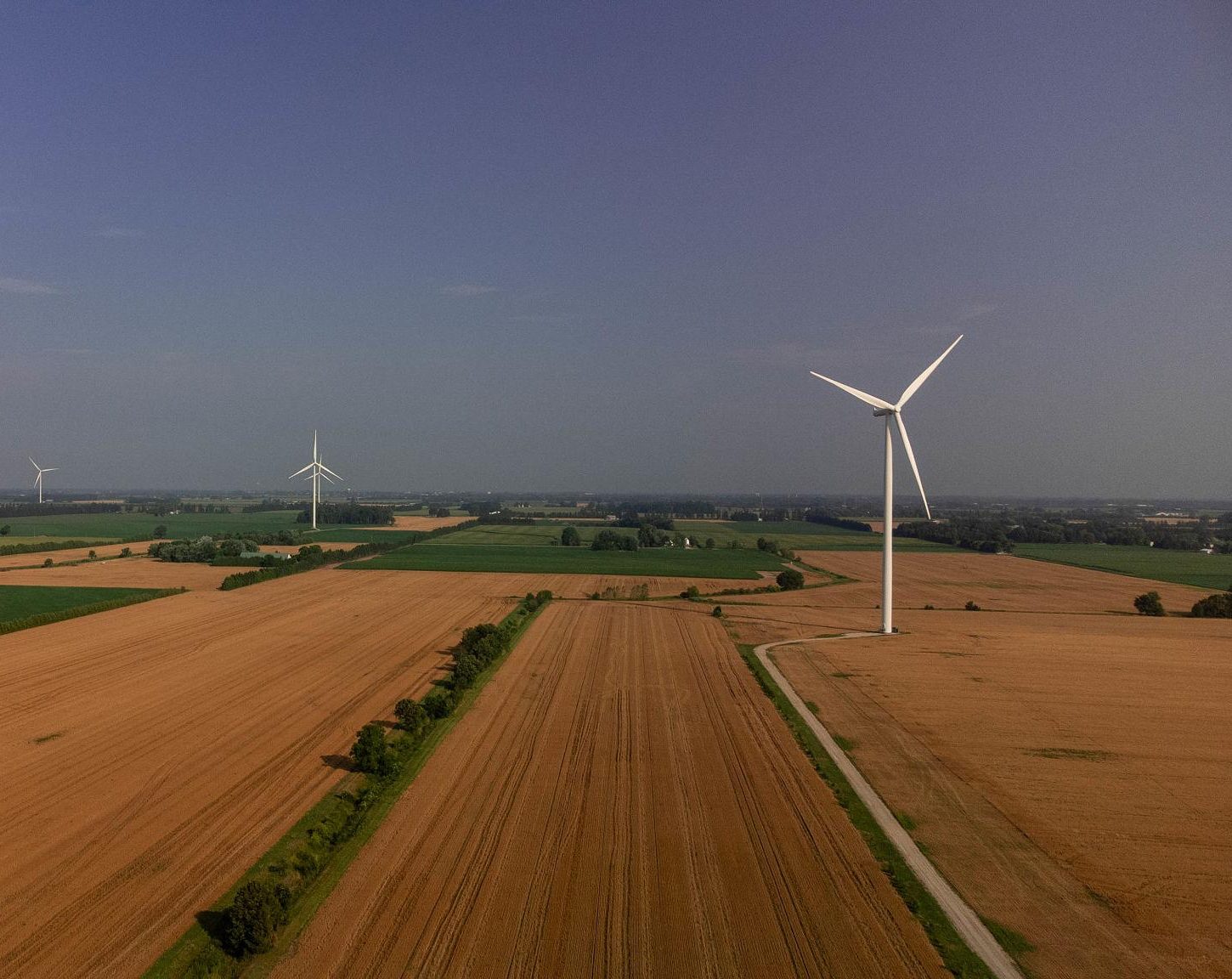
We photograph service panels, HVAC nameplates, roof conditions, and any deferred maintenance. Those details do not just live in an appendix. They appear in the body of the report where they belong, so a credit officer can relate physical condition to capex and loan structuring.
How we derive cap rates and normalize income in a thin market
In larger cities, you can cite ten trades from the last quarter and draw a neat cap rate line. In Bruce County, you may be lucky to find two clean sales in a season. We address that by triangulating.
We gather local sales across a longer window, adjust for market movement using rent growth and exposure time data, and read across to comparable counties where the tenant mix and buyer profile are similar. We corroborate with current broker opinions on pricing and time on market, then cross-check with a band-of-investment analysis that reflects today’s debt costs, amortizations, and equity return expectations. If a property’s tenant roster is dominated by local service businesses with modest covenant strength, we adjust the yield to recognize that risk, even when the lease rates look strong.
On the income side, we normalize expenses using actuals as the base but align them with typical benchmarks for management, reserves, and maintenance. Where owners self manage, we still impute a market management fee. For small retail with gross leases, we reconcile to a net basis where appropriate to compare apples to apples. If a suite is vacant, we include realistic downtime and leasing costs rather than assuming instant stabilization.
Report types and right-sizing the scope
Not every file needs a 120-page narrative, and some assets demand it. We produce full narrative reports when the property is complex, the exposure is large, or the lender’s policy requires it. For smaller loans on straightforward assets, a concise report that still covers approaches, assumptions, and risk commentary can save time without sacrificing credibility. Desktop updates are appropriate only when there has been no material change and the lender is clear on the limitations. We do not recommend a desktop on a property with new leases, renovations, or changed market conditions since that undermines reliability.
Reliance matters. If a mortgage is likely to be sold to another institution, we draft reliance language at the start or prepare to issue reliance letters. If multiple lenders will rely on the same report in a syndicated facility, we ensure the terms cover that use.
Case notes from the field
Port Elgin retail plaza. A lender needed an as is value for a refinance and an as if stabilized value because one end-cap tenant was leaving in six months. The borrower was confident about backfilling, but the market told a more cautious story. We pulled three relevant leases in nearby strips, spoke with two brokers about realistic downtime, and set a six to nine month lease-up with a market TI and commission allowance. The as if stabilized value helped the lender structure a holdback tied to lease execution, not just occupancy, protecting the loan without delaying closing.
Kincardine small-bay industrial. A user bought a 12,000 square foot building with yard space to serve contracts connected to Bruce Power. The lender wanted comfort that the price was in line with market. Sales were thin, but rent demand was clear. We ran a direct comparison on the user-sale market and backed it with an income-based test using market rent for comparable bays, a modest vacancy allowance, and a cap rate consistent with local industrial trades. The two methods converged within a tight range, giving the credit team confidence.
Sauble Beach motel. Seasonal revenue created noise in the statements. We normalized income over a multi-year span, adjusted for owner-occupied expenses that would not persist with an arm’s-length operator, and laid out the risk tied to staffing and maintenance capex in the shoulder seasons. The lender used the stabilized income analysis to set DSCR covenants that flexed with seasonality rather than pretending the off-season did not exist.
Data sources and verification in a rural context
Public sale data is less comprehensive in rural areas than in major cities. We compensate with a layered approach. We use MLS where available, municipal records for assessment and permits, and direct conversations with brokers and property managers. For income comps, we verify rents from recent leases, not just asking rates. On development land, we cross-reference planning documents, conservation authority inputs, and any source water protection constraints that can affect density or servicing costs. We also maintain an internal database of verified trades and lease terms drawn from past assignments across Bruce County and adjacent markets, which helps when public data is sparse.
Risk flags lenders will see, and why they matter
Environmental red flags come up more than you might expect. Former service stations, autobody shops, and dry cleaning uses can leave a legacy. We do not conduct environmental assessments, but we flag likely risks based on observed features and historical use patterns and recommend qualified environmental consultants when warranted. Floodplain and shoreline hazard lines are not abstract. They can constrain expansion, drive insurance costs, or limit rebuilding after a loss. We document these risks with maps and municipal input where needed.
Functional obsolescence is another concern in older buildings. Low ceiling heights, narrow bays, and limited power can cap rent growth. In hospitality, outdated room configurations reduce ADR potential. These issues do not always kill a deal, but they influence loan terms and reserves.
Straight answers on keywords and what they signal to lenders
You will see search terms like commercial property appraisal Bruce County and commercial real estate appraisal Bruce County used interchangeably. In practice, they both point to the same need: a thorough, defensible valuation that supports credit decisions. When a lender asks for commercial appraisal services Bruce County, they expect local market knowledge and on-time delivery. If your credit policy references using commercial property appraisers Bruce County for assets in the county, it is because local competency is not just a formality. It shortens timelines, reduces rework, and strengthens the file in the event of review.
If you are assigning a commercial appraiser Bruce County on a rush, be sure to align scope and documents on day one. The best appraiser in the world cannot compensate for locked doors, missing rent rolls, or late-breaking reliance requests.
How we keep files moving when something unexpected appears
Surprises still occur. A title search might reveal an access easement that affects parking. The inspection might uncover a roof leak that will need near-term replacement. When that happens, we quantify. If a roof has five years of useful life left by typical tables but shows signs of accelerated wear, we estimate a nearer-term replacement cost and include a reserve that reflects that risk. If an easement reduces parking, we model a higher vacancy or a lower achievable rent based on similar properties with constrained parking and show the impact on value. We extend timelines only when verification is essential to the reliability of the opinion.
The lender’s advantage with a strong local partner
A fast appraisal that misses the market does not help anyone. The work that truly serves a lender in Bruce County blends speed with discipline. It uses local comps, not just regional averages. It calls out risks in plain language and ties them to cash flow. It offers as is and forward-looking values when the deal structure requires them. It conforms to CUSPAP and your internal policy without turning into a compliance exercise that buries the point.
When you engage a firm that knows this county, you get an appraisal that closes loans faster and stands up to scrutiny later. That combination is what most lenders care about when they search for commercial property appraisal Bruce County or commercial real estate appraisal Bruce County. The words differ, but the job is the same: provide a reliable, defensible opinion of value, tailored to the property and the loan, delivered on time.